02 July 2011

Most Common FHA Repairs


If you are buying or selling a home and are working with an FHA loan, these are some areas that you'll want to be aware of -- for fixing or as potential roadblocks to a sale. The guidelines are in place because they are related to the health and safety of the occupants -- and also are important for marketing the property.


The most common FHA repairs:

  • If the home was built prior to 1978, chipping, peeling paint must be scraped and painted. This includes interior, exterior, garages, sheds, fences, etc. 
  • Roof should have 2-3 years of useful life remaining and no more than 2 layers of shingles. If the roof is over 10 years old, you must remove snow from a large portion of the roof for inspection by the appraiser. 
  • The cause of wet basements should be cured (e.g., improve drainage away from house, gutters, etc.). 
  • Abandoned inoperable wells must be capped and sealed by a licensed well sealing contractor. 
  • Infestation of any kind should be dealt with or exterminated (e.g., insects, mice, bats, etc.) 
  • Damaged or inoperable plumbing, electric and heating systems should be repaired. The appraiser will check these areas. 
  • Structural or foundation problems must be repaired. 
  • Flammable storage tanks must be removed and filler cap sealed from the inside (e.g., buried oil tank) 
  • If there is a crawl space or attic, it will be the homeowner's responsibility to make this area accessible so that it can be thoroughly inspected.

Keep in mind that these are the most common repairs. Contact your lender with specific questions regarding your property.


Found this list here:  Resources - Most Common FHA Repairs http://bit.ly/jFYUqm


Thanks for visiting and let me know if there is something you would like to learn more about!

09 February 2011

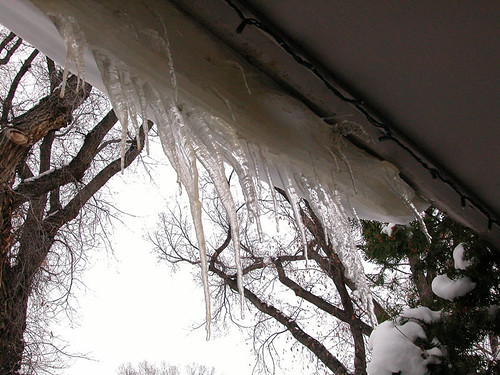
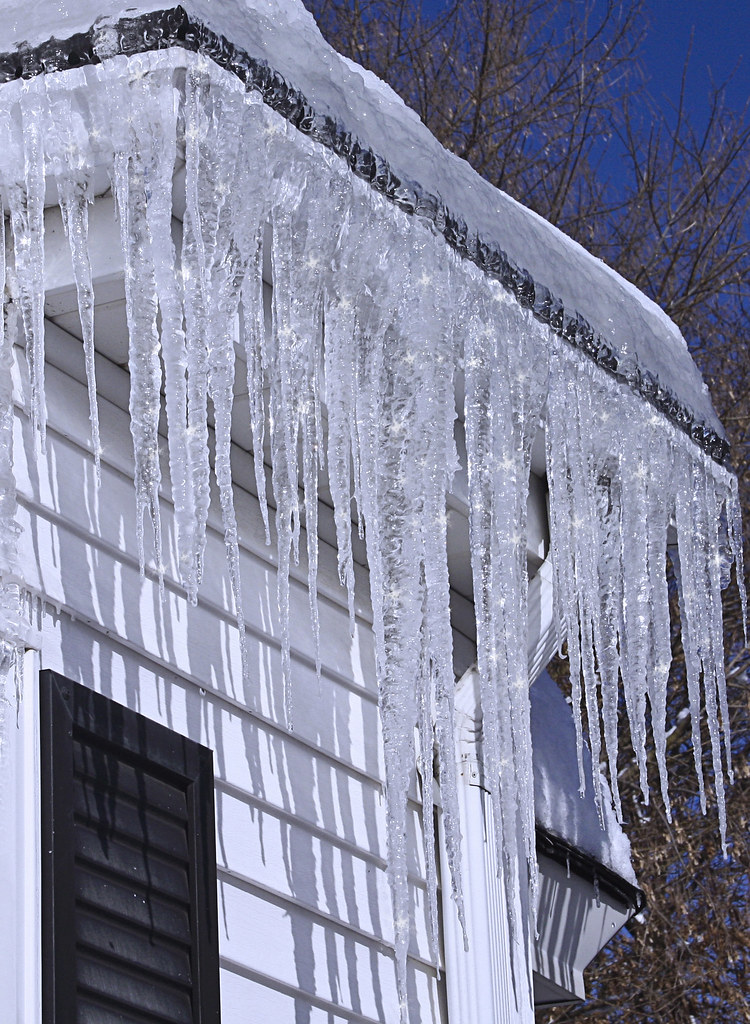
Ice Dam

Flickr/itjournalist


What is an ice dam?

An ice dam is a ridge of ice that forms at the edge of a roof and prevents melting snow (also known as water) from draining off the roof. The water that doesn't drain then backs up behind the dam and may leak into your house causing damage to walls, ceilings, insulation and more.

Ice Dam Prevention 

The dams are bad and you need to do something fast:
  • Remove snow from the roof. You can remove snow with a roof "rake" or push broom, but those may damage your shingles and other roofing materials.
  • If you have a flow of water entering your house, you can make channels through the ice dams to allow the water to drain off the roof. At best, this is a temporary solution.

WARNING!
  • Removing ice dams and snow are dangerous jobs. Anyone working on the top of the roof or below are risking injury and there is a risk of damage to the roof too. You are probably best served to contact professionals to help you with this work.

26 October 2010

Winterize Your Home - Roof, Gutter, Downspouts

 Flickr/Sage Taking A Break

Inspect Roof, Gutters & Downspouts

  • In Minnesota, you know the temperatures are going to be below freezing so you will want to be sure you have enough insulation in your attic to keep warm air from creeping up to your roof and causing ice dams. 
  • Check flashing to make certain the water can't get into your house. If you aren't certain what roof flashing is, This Old House has some helpful information.
  • Replace worn roof shingles or tiles to protect your roof and keep the weather on the exterior of your house. 
  • Clean out any leaves, pine needles, acorns and other items in the gutters. Use a hose to spray water down the downspouts to clear away debris. Having the gutters and downspouts in good working condition will help move moisture away from your house and keep you nice and dry inside.
  • Install extensions on your downspouts to direct the water away from your house. You can also look into leaf guards for your gutters, but make sure you investigate how well they work, some styles are much better than others.