No house is perfect, so it stands to reason that all inspectors will find something "wrong" with any house. If you, as a homeowner think the same way a home inspector does, you'll get a pretty good maintenance inspection done before winter hits -- which seems like it might be any day here.
You probably won't need to hire a professional inspector to do this maintenance check, but you certainly can do that if you want a more thorough examination. Know going into the homeowner inspection that you won't be able to do all a professional inspector does, but you'll still be leaps and bounds ahead of people that never create a list of projects this way.
Outside
Start by looking at the exterior of your home. Is there anything that looks out of kilter? Sometimes the house will look like it is leaning a little, or windows won't look even. Check the chimneys, look for broken windows, see if there is staining anywhere on the sides of the house.
How do the shingles look? (If you don't want to crawl up on the roof, take a look from the ground using binoculars.) Are there cracks, missing shingles, crumbling pieces? Check asphalt shingles for dry, blistering, or curling shingles; wood roofs for rot and splits; slate and tile roofs for breaks, and flat roofs for holes. If you want an easy to way to check for holes, go into your attic on a sunny day and when you are safe and secure, turn off the lights If you see daylight, that is a place water can get in.
Are there any holes where animals can sneak in and out? (Mice can fit through something the size of a dime, and many raccoons can fit through about a softball size hole.)
Look for vermin highways too. Trees and shrubs that overhang or touch the house allow all kinds of animals to gain access to your home. In addition, overgrown foliage can hide bigger problems with your foundation, sills or siding. A good rule of thumb is to keep plants far enough away from the house that you can walk between them. While you are out walking around the house, check to be certain the ground slopes away from the house and is at least 8-inches below the sill.
As you are preparing to go inside, take a look at the sidewalks, patios and driveway before the ground freezes. Make note of potential trip hazards too before winter heaves them even more. Now check the fences, gates and retaining walls to see if any parts need attention before gale force winds start pushing at them and you need to make a fix in below zero temperatures.
Outside - A Closer Look
By now, you should have a good idea of the general condition of your home's exterior. You should now train your eye to look for places your biggest enemy -- water -- can encroach on your living space. Water is tricky and can find a way into almost any space, but for your purposes, start by checking around doors and windows. Check to be certain caulking, weather-stripping and glazing hasn't worn down.
Check wood framing supports for deterioration. You can poke them with a screwdriver to determine if there are soft, flaking, crumbling or damp areas. Double check that all supports are still actually connected to the parts they are meant to hold up. Evaluate any cracks so you know if they have changed or expanded with time.
Inside Structural Clues
Now check for structural issues by looking inside the house. Sagging floors, walls, and ceilings are obvious clues to leaks and rot. But seemingly innocuous problems, like peeling paint, sticking doors, loose floorboards, and popped drywall screws can also be signs of trouble.
Check the basement and crawl spaces for droppings from mice and other animals. Don't neglect checking the fireplace and chimney for birds and other critters that are looking for a warm winter home.
Even with plumbing, water is still your enemy. While you are going over your house, look for signs of leaks in pipes you can see and check pipes where they go into walls or foundations. Look everything over for signs of rust, pits or excessive green patina on copper and brass fittings which is telling you there is some corrosion. This is the time to add things like dripping faucets, running toilets and slow drains to your plumbing to do list.
Don't Forget Your Mechanicals
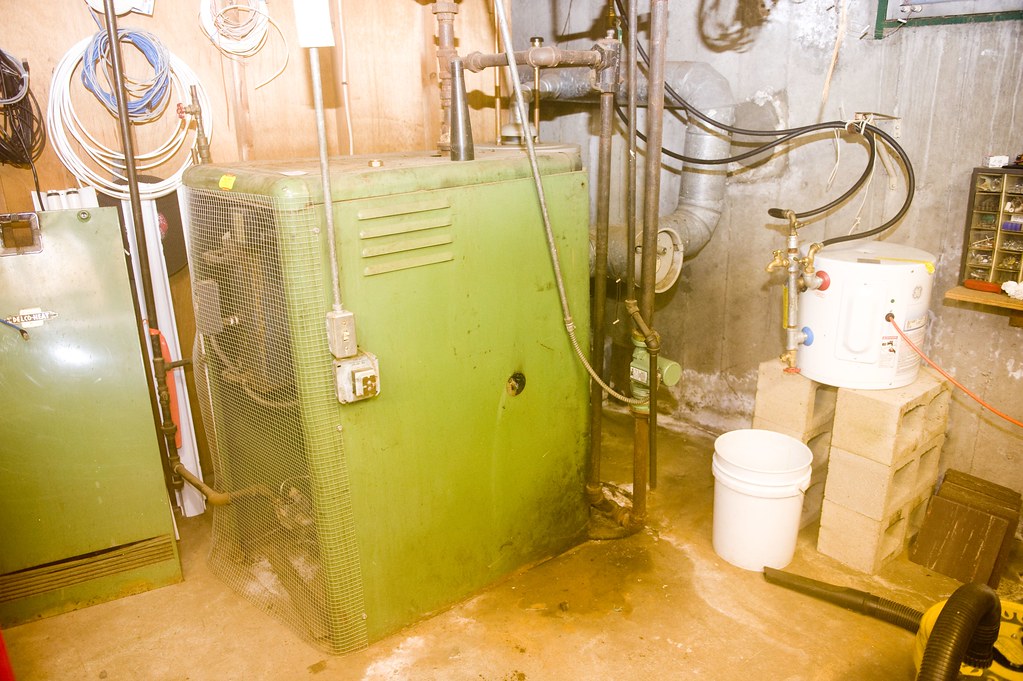
This is the time of year to schedule your furnace check and annual maintenance -- and ideally before the first cold day when you need to turn the furnace on. At the very least, change the filter. Check for leaks around the furnace and water heater.
Also take a look at your electrical system and make note of loose outlet covers and plugs. Also look for scorch marks around plugs and in the breaker box which is a sign of dangerous arcing. Test you GFCI receptacles by plugging a lamp into the and then push the test and reset buttons to see if the light goes off and on. Fall is also an excellent time to replace batteries on smoke detectors and carbon monoxide detectors.
Hire a Professional
Has it been more than five years since your house was inspected by a professional? Now might be a perfect time to analyze your systems and help make a prioritized repair list. The nice thing about hiring a professional home inspector is the complete and unbiased picture from someone who isn't trying to sell you repair and maintenance services. If you chose to hire a professional home inspector, expect to pay anywhere from $200 to $750 depending on where you live and the size of your home.
Image